
Heart health research has taken huge leaps forward in 2025. These are the most significant breakthroughs improving diagnosis, treatment, and prevention for millions:
Anti-Obesity Medications with Heart Benefits
New drugs like semaglutide and tirzepatide aren’t just for weight loss—they also show impressive reductions in the risk of major heart events for people with obesity or existing heart disease. Semaglutide and tirzepatide, GLP-1 receptor agonists, reduce weight while lowering risks of heart attacks, strokes, and cardiovascular death in obese individuals or those with heart disease. These benefits emerge early, often before major weight loss, suggesting direct heart-protective effects like improved insulin sensitivity and reduced inflammation. Real-world data confirm semaglutide cuts major adverse cardiovascular events (MACE) by 18-20% versus alternatives, with tirzepatide showing comparable 13-40% reductions.

How They Work
Semaglutide mimics GLP-1 to boost insulin, slow digestion, and curb appetite, leading to 15-20% body weight loss and better blood pressure/cholesterol profiles that ease heart strain. Tirzepatide uniquely activates both GLP-1 and GIP receptors, enhancing fat metabolism and yielding superior weight reduction (up to 22%), with early cardiovascular risk drops independent of pounds shed. Unlike traditional weight drugs, their dual metabolic actions target obesity-related heart risks holistically.
Key Clinical Evidence
Trials like SELECT showed semaglutide reduced MACE by 20% (HR 0.80) in overweight patients without diabetes but with heart disease. Tirzepatide matched or exceeded this in SURPASS studies and real-world analyses, cutting heart failure exacerbations by 39% and arrhythmias like atrial fibrillation. Head-to-head, differences are minor, but tirzepatide’s edge shines in primary prevention for type 2 diabetes patients.
Availability in India
These are prescription-only; consult a doctor for eligibility, as they’re approved for diabetes/weight management but costly (Rs 3,000-16,000 per dose). Semaglutide brands like Rybelsus (oral), Ozempic/Wegovy (injectable) are stocked at pharmacies; shop via:
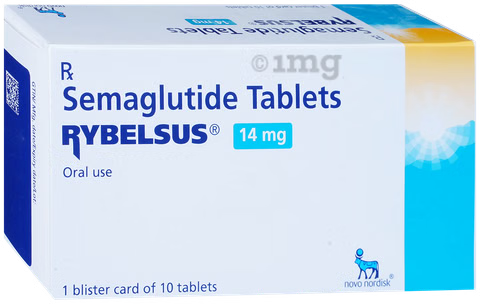
PharmEasy for Ozempic: https://pharmeasy.in/search/all?name=semaglutide
Tirzepatide (Mounjaro) is emerging via imports/specialty suppliers like South Delhi Pharma: https://southdelhipharma.com/product/mounjaro-tirzepatide-price-delhi-india/ Verify stock, upload prescription, and check regulations for personal imports
1mg.com for Rybelsus (Rs 2,971+) or Wegovy: https://www.1mg.com/generics/semaglutide-509803
Artificial Intelligence in Cardiology
Artificial Intelligence is transforming cardiology by delivering precise diagnostics, predictive risk models, and continuous monitoring through advanced ECG interpretation and wearable devices. These tools analyze vast datasets from imaging, genetics, and patient records to detect subtle patterns humans might miss, enabling earlier interventions for conditions like arrhythmias or heart failure. In 2026, AI integration spans from automated plaque detection in CT scans to real-time procedural guidance, reducing errors and improving outcomes.

Core Applications
AI excels in smart ECG analysis, where algorithms identify atrial fibrillation or low ejection fraction with over 90% accuracy, often outperforming cardiologists on standard 12-lead tests. Wearables like smartwatches use AI for real-time heart monitoring, flagging anomalies via photoplethysmography and prompting alerts for users in high-risk groups. In imaging, deep learning automates echocardiography measurements and quantifies coronary plaques in CT angiography, cutting analysis time from hours to minutes.
Clinical Evidence
Trials show AI-enhanced CT-FFR predicts heart events better than traditional methods, with 82-99% success rates and fewer unnecessary angiograms. The DECODE study found AI plaque analysis changed management in 66% of cases, while ORFAN validated inflammation markers like FAI for MACE prediction. Robotic PCI with AI navigation reduces radiation and procedure time, with real-world data confirming lower variability.
Tools and Platforms
Access AI cardiology solutions through specialized platforms and devices available in India:
Cleerly Health AI plaque analysis (consult providers): https://cleerlyhealth.com
Consult cardiologists via Practo for integration; devices require no prescription but pair with apps for data export to doctors.

Mayo Clinic AI courses for training: https://cveducation.mayo.edu/store/current-applications-and-future-of-artificial-intelligence-in-cardiology
Apple Watch Series 10 (ECG/AFib detection) on Flipkart: https://www.flipkart.com/search?q=apple%20watch%20series%2010
AliveCor KardiaMobile for portable ECG: https://www.1mg.com/otc/kardiamobile-6l-single-lead-ekg-monitor-otc923845
Regenerative Medicine & Stem Cell Therapies
Regenerative medicine, particularly stem cell therapies and tissue engineering, repairs damaged heart muscle by differentiating stem cells into cardiomyocytes and promoting vascular regrowth, offering new hope for heart failure patients post-myocardial infarction. These approaches replace scar tissue with functional myocardium, improving ejection fraction and reducing remodeling through paracrine signaling and direct engraftment. As of 2026, Phase I/II trials confirm safety and modest efficacy gains persisting up to 3 years.

Mechanisms of Action
Stem cells like mesenchymal (from bone marrow or Wharton’s jelly) or induced pluripotent (iPSCs) integrate into infarcted zones, secreting growth factors to reduce inflammation and apoptosis while fostering angiogenesis. Tissue-engineered scaffolds, such as PeriCord bioimplants, deliver cells peri-procedurally during bypass surgery, showing anti-inflammatory effects and tolerability in first-in-human studies. Unlike drugs, they target root causes by regenerating viable tissue rather than symptom management.
Key Clinical Evidence
Phase I/II trials report LVEF improvements of 5-10% at 6-12 months via MRI/echo, with no major adverse events; Wharton’s jelly MSCs preserved perfusion without troponin rises. PeriCord’s trial in 12 post-MI patients demonstrated safety during CABG, hinting at reduced scarring. Ongoing Phase III efforts (e.g., NCT06831825 for gene-enhanced therapies) aim for larger cohorts by 2027, building on 23+ registered studies.
Access and Therapies in India
Consult cardiologists at AIIMS or Apollo Hospitals for trials; therapies remain experimental but accessible via approved centers or imports under ICMR guidelines. Key options:
- Stempeutics’ Stempeucel (bone marrow MSCs for critical limb ischemia, adaptable for cardiac): https://stempeutics.com
- ReeLabs/Neurocyte stem cell clinics in Mumbai for heart failure protocols: https://reecell.in/stem-cell-therapy/
- Global trial locators like ClinicalTrials.gov filtered for India: https://clinicaltrials.gov (search “stem cell heart India”)
Personalized assessments required; costs range Rs 5-15 lakhs per cycle, often uninsured. Verify Phase status and ethics approvals before proceeding.
RNA-based & Next-Gen Drug Therapies
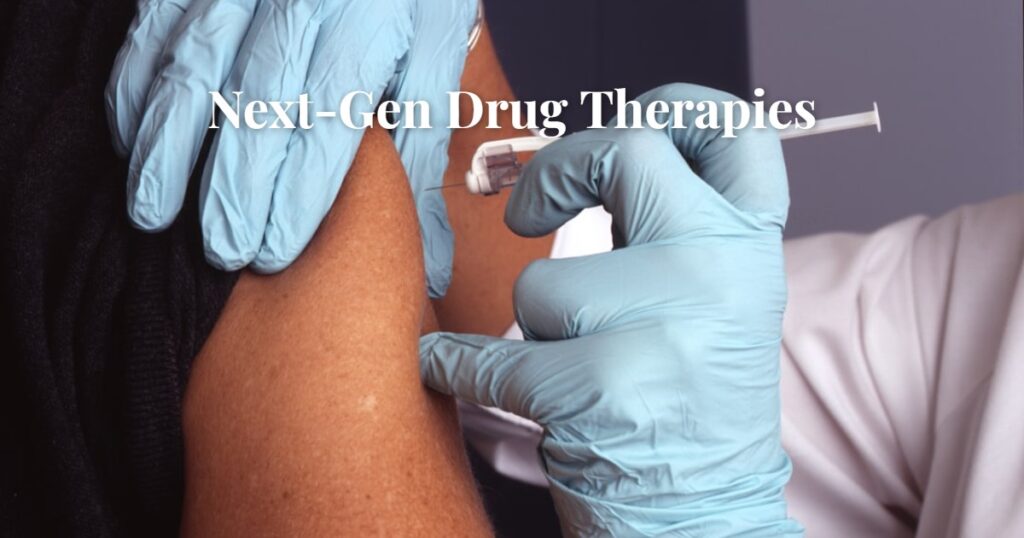
RNA-based therapies and next-gen drugs like PCSK9 inhibitors target genetic drivers of heart disease, drastically cutting LDL cholesterol and cardiovascular events even in statin-intolerant patients. These include siRNA (e.g., inclisiran), ASOs (e.g., pelacarsen), and monoclonal antibodies that inhibit PCSK9 production or binding, yielding 50-60% LDL reductions sustained for months to years. By 2026, they manage familial hypercholesterolemia (FH) and post-ACS risks with superior adherence over daily pills.
Key Therapies Explained
PCSK9 inhibitors such as evolocumab (Repatha) and alirocumab (Praluent) are bi-monthly injections blocking LDL receptor degradation, slashing MACE by 20% in FOURIER/ODYSSEY trials. Inclisiran, an siRNA, silences PCSK9 gene expression twice yearly, achieving 52% LDL drop with minimal side effects. Emerging RNA therapies like pelacarsen (apoC-III ASO) reduce triglycerides 80% for hypertriglyceridemia, while olpasiran (Lp(a) siRNA) targets elevated lipoprotein(a) to prevent atherosclerosis.
Clinical Impact
ORION-4 trial data project inclisiran prevents 1 MACE per 250 patients over 5 years; FOURIER confirmed evolocumab’s 15-20% non-fatal MI/stroke reductions. Lp(a) therapies in Phase III show plaque regression via imaging, addressing unmet needs in 20% of high-risk cases. Combo regimens with statins amplify benefits, revolutionizing secondary prevention.
Availability in India
Prescription-only via cardiologists; widely stocked at urban pharmacies, costing Rs 15,000-50,000 per dose (generics emerging). Shop from:
- Repatha (evolocumab), Praluent (alirocumab), Inclisiran (Leqvio)
Obtain prescription first; government schemes like Ayushman Bharat may subsidize for FH patients. Monitor liver enzymes during use.
Lifestyle Trends & Prevention Wins
Smoking rates and cholesterol levels have declined significantly due to public health campaigns, statins, and policy shifts like tobacco taxes, reducing population-level heart disease incidence by 30-50% in many regions over decades. However, obesity and diabetes rates continue rising, driving 70% of new cardiovascular cases, underscoring the need for proactive lifestyle interventions starting early.
Key Prevention Trends
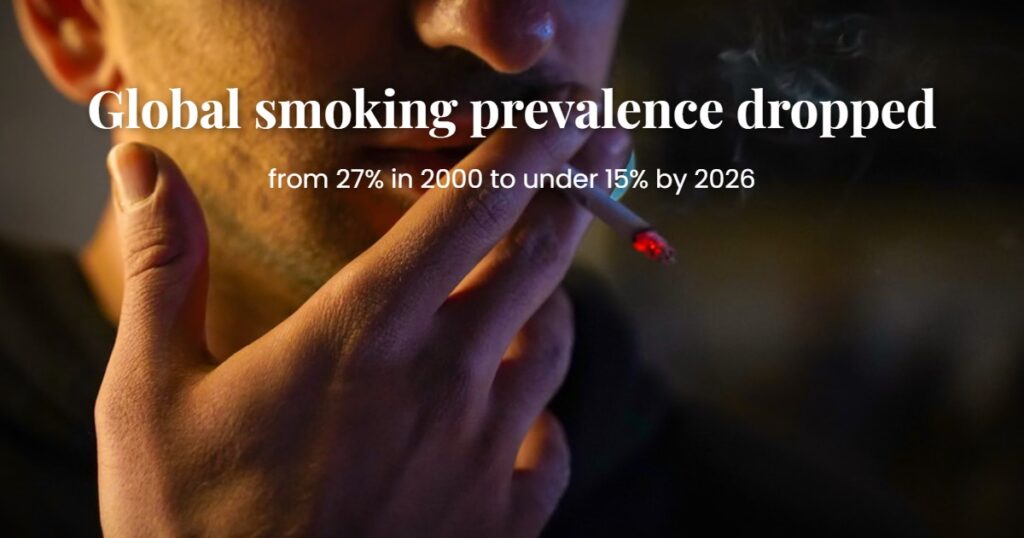
Global smoking prevalence dropped from 27% in 2000 to under 15% by 2026, with cholesterol averaging 20-30 mg/dL lower thanks to widespread statin use and dietary guidelines emphasizing plant sterols and fiber. Wearables now track 80% of users’ activity, correlating with 15% drops in sedentary behavior, while apps promote Mediterranean diets slashing heart risk by 25%.
Ongoing Challenges
Obesity affects 40% of adults, fueling type 2 diabetes in 12% globally, with combined risks elevating MI odds 3-5x despite cholesterol gains. Urbanization and processed foods exacerbate this in India, where diabetes prevalence hit 11.4% by 2025, demanding integrated strategies like community screenings.
Actionable Strategies
- Diet: Prioritize DASH or plant-based plans; aim for <2,300mg sodium daily to cut BP 5-6 mmHg.
- Exercise: 150 min/week moderate activity reverses prediabetes in 58% of cases.
- Screening: Annual lipid/glucose checks for at-risk groups; apps like HealthifyMe integrate AI risk scores.
Access free resources via India’s NPCDCS program at government clinics or apps like MyFitnessPal. Sustained 5-10% weight loss prevents 50% of diabetes progression, amplifying treatment wins like semaglutide.
Stay tuned to our site for more health updates and practical tips to keep your heart healthy, based on the latest clinical evidence and expert advice.