
Explore the fundamentals of a heart-healthy diet, focusing on whole foods and essential nutrients while minimizing unhealthy fats and sodium intake.
Maintaining a healthy heart is paramount for a long and vibrant life. With cardiovascular diseases like myocardial infarction (heart attack), congestive heart failure, and coronary artery disease being prevalent concerns, understanding how diet impacts your heart health is crucial. This article will delve into the principles of a heart-healthy diet, incorporating essential keywords and providing practical advice to keep your heart strong.
The Foundation of a Heart-Healthy Diet
A truly heart-healthy diet focuses on whole, unprocessed foods that provide vital nutrients while limiting those that can contribute to high cholesterol and other risk factors. Think of your plate as a colorful canvas, brimming with nature’s best offerings.
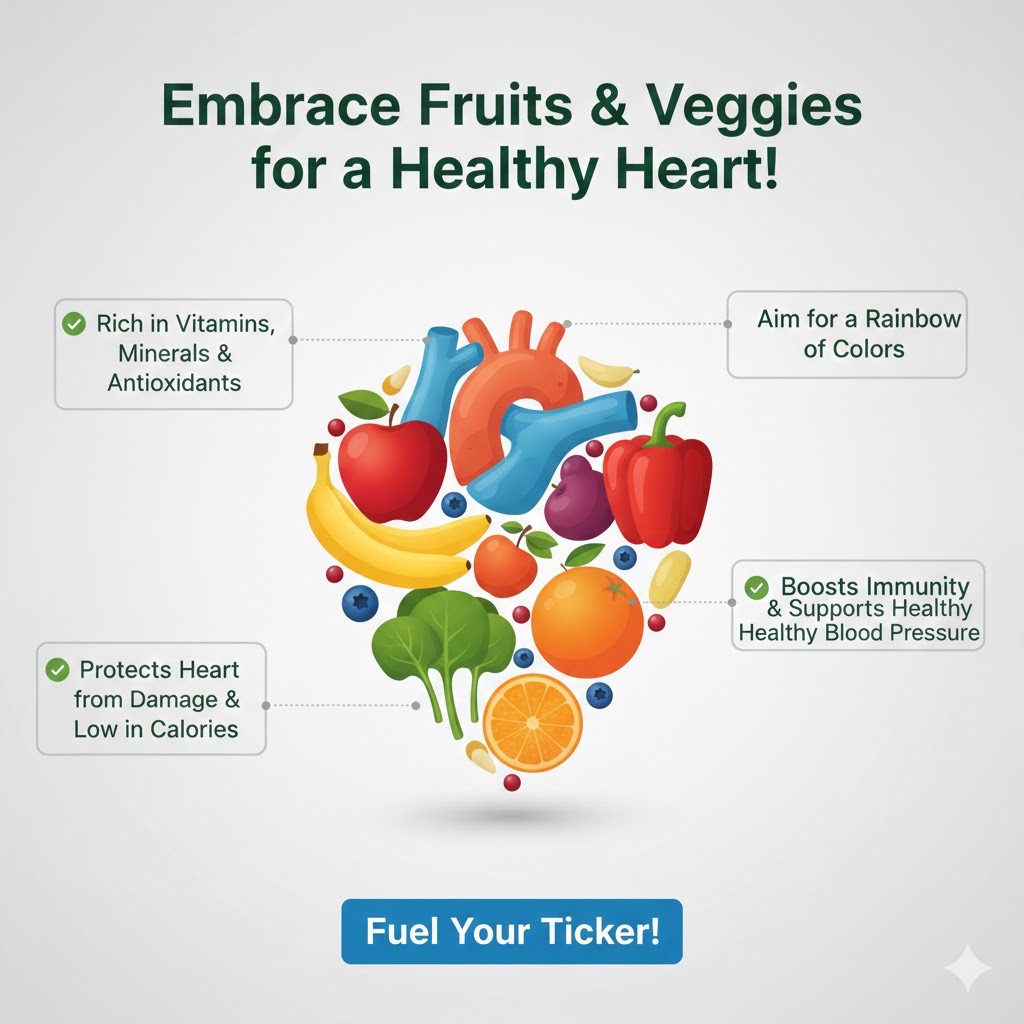
1. Embrace Fruits and Vegetables
These nutritional powerhouses are packed with vitamins, minerals, and antioxidants, which help protect your heart from damage. Aim for a wide variety of colors to ensure you’re getting a broad spectrum of nutrients.
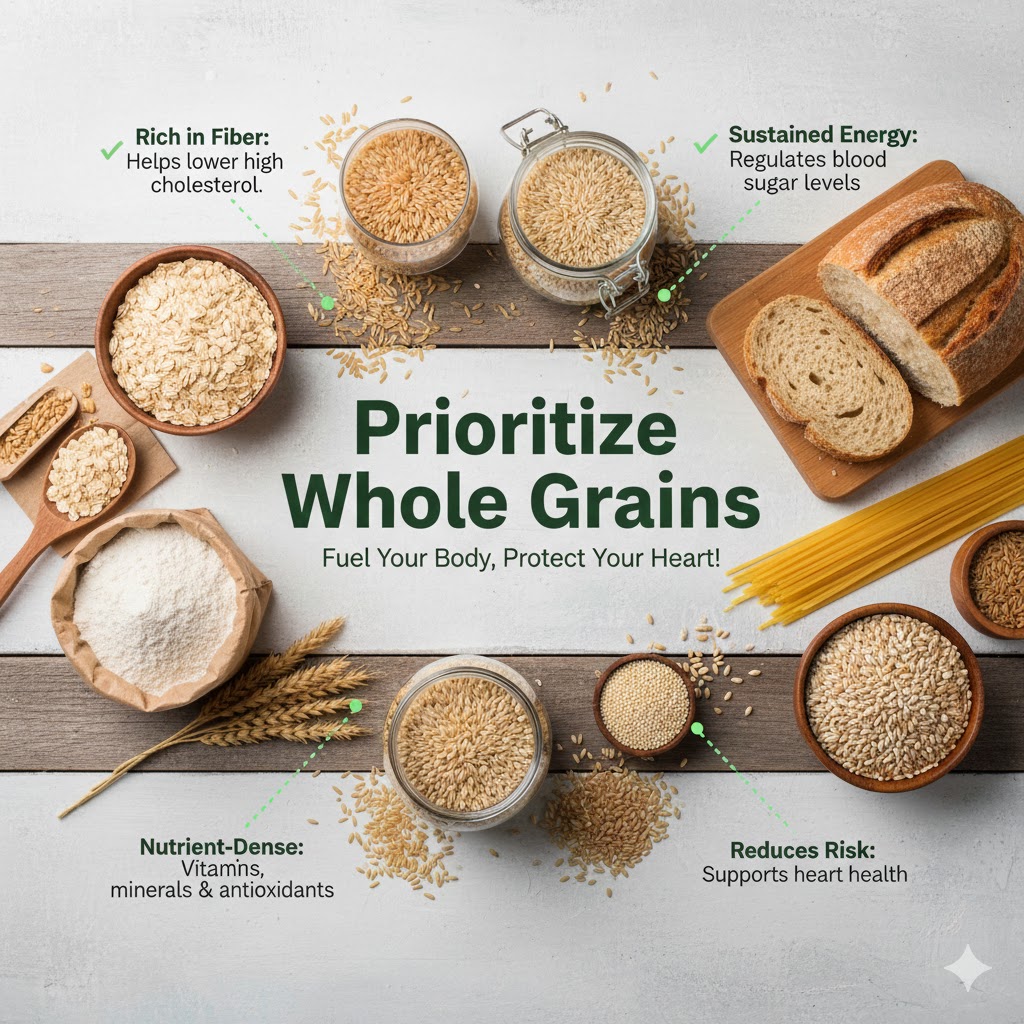
2. Prioritize Whole Grains
Unlike refined grains, whole grains retain their bran, germ, and endosperm, providing fiber that helps lower high cholesterol and regulate blood sugar. Opt for foods like oats, brown rice, quinoa, and whole-wheat bread.
3. Lean Protein Sources
Choose lean protein sources such as fish, poultry (skinless), beans, lentils, and nuts. Fatty fish, like salmon and mackerel, are particularly beneficial due to their omega-3 fatty acids, which can help reduce inflammation and support a normal heart rate.
4. Healthy Fats are Your Friends
Not all fats are created equal. Focus on monounsaturated and polyunsaturated fats found in avocados, olive oil, nuts, and seeds. These fats can help improve cholesterol levels and overall heart health.
5. Limit Unhealthy Components
To protect your heart, it’s crucial to minimize your intake of:
- Saturated and Trans Fats: Found in red meat, full-fat dairy, and many processed foods, these can significantly increase high cholesterol.
- Sodium: Excessive sodium intake contributes to high blood pressure, a major risk factor for congestive heart disease and other heart problems.
- Added Sugars: Sugary drinks and processed snacks can lead to weight gain and inflammation, both detrimental to heart health.
Understanding Heart Health Metrics and Conditions
Regular check-ups with your doctor and potentially a cardiologist are vital to monitor your heart health. They may recommend tests like an echocardiogram to assess heart function or an angiogram to visualize your coronary arteries.
Understanding your heart rate is also important. A normal heart rate for adults typically ranges from 60 to 100 beats per minute. A consistently irregular or elevated heart rate could indicate underlying issues and should be discussed with a medical professional. While a normal heart beat rate is generally stable, factors like stress and exercise can temporarily influence it.
Check Heart rates regularly, Use our Mean Arterial Pressure (MAP) Calculator
Conditions like pericarditis (inflammation of the sac around the heart) and heart failure symptoms such as shortness of breath, fatigue, and swelling in the legs require immediate medical attention. In severe cases, a pacemaker might be necessary to regulate a slow or irregular heartbeat. Recognizing heart failure in its early stages can significantly improve outcomes.
Lifestyle Enhancements for Optimal Heart Health
Beyond diet, several lifestyle factors contribute to a strong heart:
- Regular Physical Activity: Aim for at least 30 minutes of moderate-intensity exercise most days of the week.
- Maintain a Healthy Weight: Excess weight puts extra strain on your heart.
- Manage Stress: Chronic stress can negatively impact heart health. Practice relaxation techniques like yoga or meditation.
- Quit Smoking: Smoking is one of the most significant risk factors for cardiac arrest and other heart diseases.
Suggested Diet Compliments for Heart Health
While a balanced diet is the cornerstone, certain supplements can complement your efforts. Always consult your doctor before starting any new supplement regimen.
- Omega-3 Fish Oil: For those who don’t consume enough fatty fish, an omega-3 supplement can help support cardiovascular health. [Link to purchase high-quality Omega-3 Fish Oil]
- Plant Sterols/Stanols: These natural compounds can help lower LDL (“bad”) cholesterol. [Link to purchase Plant Sterol/Stanol Supplements]
- Coenzyme Q10 (CoQ10): This antioxidant plays a role in energy production within heart cells. [Link to purchase CoQ10 Supplements]
By adopting a heart-healthy diet and lifestyle, you empower yourself to prevent and manage conditions like coronary artery disease, reduce your risk of myocardial infarction, and ultimately enjoy a healthier, longer life with a strong and vibrant heart.