
In the quest for metabolic balance, modern medicine often focuses on pharmaceutical interventions. However, the ancient science of Ayurveda, with its profound understanding of bodily humors (Doshas) and natural remedies, offers a holistic path to managing complex conditions like Hypertriglyceridemia—the medical term for elevated triglyceride levels in the blood. At 6CPC, we believe in integrating evidence-based science with time-honored wisdom to provide a complete spectrum of care. This comprehensive guide will delve deep into the Ayurvedic perspective on high triglycerides, exploring the root causes, traditional diagnostic methods, and powerful herbal, dietary, and lifestyle interventions.
Chapter 1: Understanding Hypertriglyceridemia – A Modern Medical View
Before we immerse ourselves in Ayurveda, let’s briefly revisit the modern medical understanding of high triglycerides. Triglycerides are a type of fat (lipid) that circulates in your bloodstream. They are the most common form of fat in the body, serving as an energy reserve. When you consume excess calories, especially from refined carbohydrates and sugars, your body converts them into triglycerides for storage in fat cells.
The Silent Threat: Why Triglycerides Matter
Unlike cholesterol, which often receives more attention, high triglycerides are a “silent killer.” They typically present no symptoms until they reach dangerously high levels, leading to severe health complications.
- Cardiovascular Risk: Chronically elevated triglycerides contribute to atherosclerosis, the hardening and narrowing of arteries, increasing the risk of heart attack, stroke, and peripheral artery disease.
- Pancreatitis: Extremely high levels (typically above 500 mg/dL) can trigger acute pancreatitis, a life-threatening inflammation of the pancreas.
- Metabolic Syndrome: High triglycerides are a key component of metabolic syndrome, a cluster of conditions that increase the risk of heart disease, stroke, and type 2 diabetes.
Modern Diagnostic Categories:
- Normal: Less than 150 mg/dL
- Borderline High: 150-199 mg/dL
- High: 200-499 mg/dL
- Very High: 500 mg/dL or higher
While modern medicine offers statins and fibrates, Ayurveda focuses on restoring the body’s innate balance, addressing the underlying imbalances that lead to lipid dysregulation.
Chapter 2: The Ayurvedic Lens – Medovaha Srotas and Agni Imbalance
In Ayurveda, the condition of high triglycerides falls primarily under the concept of Medovaha Srotas Dusti (disorder of the fat metabolism channels). It is intricately linked to an imbalance of Agni (digestive fire) and an accumulation of Ama (toxins).
Understanding the Doshas and Lipid Metabolism
Ayurveda identifies three fundamental energies or Doshas: Vata, Pitta, and Kapha.
- Kapha Dosha: This Dosha, associated with earth and water elements, governs structure, lubrication, and anabolism (building up). An excess of Kapha leads to sluggish metabolism, weight gain, and increased fat deposition. Hypertriglyceridemia is often seen as a manifestation of aggravated Kapha.
- Pitta Dosha: Associated with fire and water, Pitta governs metabolism and transformation. A vitiated Pitta can lead to inflammation, impacting liver function, which is central to lipid processing.
- Vata Dosha: Associated with air and ether, Vata governs movement. While less directly implicated in fat accumulation, an imbalanced Vata can disrupt digestion and create anxiety, leading to unhealthy eating patterns.
The Role of Agni and Ama
Agni, our digestive fire, is paramount. When Agni is weak (Mandagni), the body cannot properly metabolize nutrients. Instead of nourishing tissues, undigested food forms Ama, a sticky, toxic residue.
- Ama Accumulation: This Ama then clogs the channels (Srotas), particularly the Medovaha Srotas, impairing the body’s ability to process fats effectively. This blockage leads to the accumulation of triglycerides in the blood.
- Medovaha Srotas: These are the channels responsible for fat metabolism, fat tissue formation, and energy storage. Their vitiation, often by Ama and aggravated Kapha, is the direct Ayurvedic cause of hyperlipidemia.
Therefore, the Ayurvedic approach to high triglycerides is not just about lowering a number; it’s about rekindling Agni, eliminating Ama, pacifying Kapha, and restoring the healthy function of the Medovaha Srotas.
Chapter 3: Potent Ayurvedic Herbs for Lipid Management
Ayurveda offers a rich pharmacopoeia of herbs known for their lipid-lowering and metabolic-balancing properties. These herbs work synergistically to enhance Agni, reduce Ama, and support liver function.
1. Guggul (Commiphora mukul)
Guggul is perhaps the most famous Ayurvedic remedy for lipid disorders. It is a potent resin derived from the Guggul tree.
- Mechanism: Guggulsterones, the active compounds in Guggul, have been extensively studied for their ability to lower LDL cholesterol and triglycerides. They stimulate the thyroid gland, boosting metabolism, and enhance the liver’s ability to excrete cholesterol. Guggul also helps scrape Ama from the Srotas.
- Dosage: Typically 250-500 mg of standardized extract, two to three times daily. It is often combined with other herbs.
2. Triphala (Amla, Haritaki, Bibhitaki)
Triphala is a classic Ayurvedic formulation comprising three fruits: Amalaki (Indian Gooseberry), Haritaki (Chebulic Myrobalan), and Bibhitaki (Belleric Myrobalan).
- Mechanism: Triphala is a powerful detoxifier and a gentle laxative. It cleanses the digestive tract, improves nutrient absorption, and helps eliminate Ama. Its rich antioxidant content protects the liver and supports overall metabolic function. Amla, in particular, has noted hypolipidemic effects.
- Dosage: 1-2 teaspoons, steeped in warm water, taken before bed or on an empty stomach.
3. Turmeric (Curcuma longa)
The golden spice, a staple in Ayurvedic and Indian cuisine, is a powerhouse of medicinal properties.
- Mechanism: Curcumin, the active compound in turmeric, possesses strong anti-inflammatory and antioxidant properties. It supports liver detoxification, enhances fat metabolism, and may prevent the oxidation of LDL cholesterol. It also helps in rekindling Agni.
- Dosage: Often incorporated into daily cooking. For therapeutic use, 500-1000 mg of curcumin extract daily.
4. Garlic (Allium sativum)
Garlic is revered in Ayurveda (though sometimes avoided by Vata-dominant individuals) for its powerful effects on circulation and lipid health.
- Mechanism: Allicin and other sulfur compounds in garlic help reduce total cholesterol and triglycerides, prevent blood clot formation, and lower blood pressure. It enhances Agni and clears Ama, particularly in the circulatory channels.
- Dosage: 1-2 raw cloves daily, or supplements standardized for allicin content.
5. Fenugreek (Trigonella foenum-graecum)
Fenugreek seeds are commonly used in Indian cooking and have a significant role in managing metabolic disorders.
- Mechanism: Fenugreek contains soluble fiber, which helps reduce the absorption of fats and cholesterol in the gut. It also improves insulin sensitivity and helps regulate blood sugar, indirectly impacting triglyceride levels.
- Dosage: 1-2 teaspoons of seeds, soaked overnight and consumed in the morning, or as a powder in cooking.
6. Cinnamon (Cinnamomum zeylanicum)
Cinnamon is a warming spice that stimulates digestion and metabolism.
- Mechanism: It helps improve insulin sensitivity, thereby facilitating better glucose uptake by cells and reducing the conversion of excess glucose to triglycerides. It also has mild hypolipidemic effects.
- Dosage: 1/2 to 1 teaspoon daily, often as a powder in tea or food.
7. Arjunarishta (Terminalia arjuna)
Arjuna is a tree bark used primarily as a cardio-protective herb in Ayurveda.
- Mechanism: While primarily known for strengthening heart muscles and improving cardiac function, Arjuna also exhibits hypolipidemic properties, helping to reduce both cholesterol and triglyceride levels. It helps improve the efficiency of the Medovaha Srotas.
- Dosage: Usually in liquid form, 15-30 ml, two times a day after meals, mixed with equal parts water.
8. Shilajit (Asphalatum punjabinum)
Shilajit is a mineral pitch found in the Himalayas, revered as a “conqueror of mountains and destroyer of weakness.”
- Mechanism: Shilajit acts as a powerful adaptogen and rejuvenator. It improves cellular energy production, enhances metabolism, and has shown potential in regulating lipid profiles and blood sugar levels. It helps scrape away Ama and strengthens tissues.
- Dosage: 250-500 mg per day, dissolved in warm water or milk. `

Chapter 4: The Ayurvedic Diet – Foods for Lipid Balance (Ahar)
Dietary therapy is the cornerstone of Ayurvedic treatment for hypertriglyceridemia. The focus is on Kapha-pacifying foods that are light, warm, dry, and bitter, while avoiding Ama-producing foods.
Foods to Embrace
- Whole Grains: Barley (Yava) is highly recommended for its scraping (lekhana) properties, which help reduce fat. Other good choices include quinoa, millet, and brown rice.
- Legumes: Mung beans, lentils, and chickpeas are excellent sources of protein and fiber, aiding in detoxification and satiety.
- Bitter Vegetables: Bitter gourd (Karela), leafy greens (spinach, kale), and asparagus help cleanse the liver and reduce Kapha.
- Pungent Spices: Ginger, black pepper, long pepper (Pippali), and chili stimulate Agni, enhance metabolism, and aid in fat digestion.
- Astringent Fruits: Pomegranate, apples, and berries help reduce excess Kapha.
- Healthy Oils (in moderation): Ghee (clarified butter) in small amounts can help improve digestion and absorption of fat-soluble nutrients. Mustard oil and sesame oil are also used in cooking.
Foods to Avoid or Minimize
- Refined Sugars: All forms of processed sugar, high-fructose corn syrup, and sugary drinks severely aggravate Kapha and lead to Ama formation.
- Heavy, Oily, and Fried Foods: These extinguish Agni and directly contribute to increased Ama and fat deposition.
- Excess Dairy: While milk can be sattvic, excessive intake, especially of heavy cheeses and yogurt, can increase Kapha and Ama.
- Cold and Raw Foods: These dampen Agni. Cooked, warm meals are preferred for optimal digestion.
- Red Meat and Processed Meats: Heavy and difficult to digest, they increase Kapha and Ama.
- Salt: Excessive salt intake can lead to water retention and put stress on the cardiovascular system.
Ayurvedic Cooking Principles
- Mindful Eating: Eat in a calm environment, chewing thoroughly.
- Warm Meals: Always prefer warm, freshly cooked meals over cold, leftover food.
- Portion Control: Eat until satisfied, not stuffed.
- Timing: Avoid heavy meals late at night. The main meal should be at midday.
- Spices: Utilize digestion-enhancing spices in every meal.
Chapter 5: Lifestyle Modifications (Vihara) for Sustained Balance
Ayurveda emphasizes that true healing comes from a harmonious lifestyle that supports the body’s natural rhythms.
1. Daily Routine (Dinacharya)
- Early Rising: Waking before sunrise (Brahma Muhurta) helps align with Kapha-pacifying hours.
- Abhyanga (Self-Oil Massage): While usually Vata-pacifying, a dry massage (Garshana) with silk gloves can stimulate circulation and reduce Kapha.
- Tongue Scraping: Removes Ama accumulated overnight.
- Warm Water Consumption: Drinking warm water throughout the day helps flush toxins and stimulates Agni.
2. Regular Exercise (Vyayama)
- Kapha-Pacifying Exercise: Vigorous exercise that makes you sweat is crucial for Kapha types. Brisk walking, cycling, swimming, and yoga with dynamic flows (Vinyasa) are beneficial.
- Post-Meal Walks: As emphasized in modern science, a short walk after meals aids digestion and prevents immediate fat storage.
- Timing: The best time for vigorous exercise is during the Kapha hours (6-10 AM) or (6-10 PM).
3. Stress Management (Manasika Upachara)
Chronic stress can imbalance all Doshas, especially Vata, and lead to poor dietary choices.
- Meditation and Pranayama: Daily practice helps calm the nervous system, reduce cortisol (a hormone that can increase fat storage), and improve metabolic function.
- Yoga: Combines physical postures, breathing, and meditation to bring holistic balance.
- Adequate Sleep: 7-8 hours of quality sleep is essential for hormonal regulation and metabolic repair.
Chapter 6: The Panchakarma Advantage – Deep Cleansing for Medovaha Srotas
For stubborn cases of hypertriglyceridemia, or to initiate a profound cleanse, Panchakarma—Ayurveda’s signature detoxification therapy—can be highly effective. It aims to eliminate deep-seated Ama and balance the Doshas.
Key Panchakarma Procedures for Lipid Disorders
- Vamana (Therapeutic Emesis): Inducing vomiting to eliminate excess Kapha and Ama from the upper gastrointestinal tract.
- Virechana (Therapeutic Purgation): Administering purgatives to cleanse the small intestine, liver, and gallbladder, removing excess Pitta and Kapha. This is particularly beneficial for clearing Ama from the Medovaha Srotas.
- Basti (Medicated Enema): Administering herbal oils or decoctions rectally to cleanse the colon and nourish tissues. Specific Bastis can target fat metabolism.
- Nasya (Nasal Administration): Instilling medicated oils into the nostrils to cleanse the head and clear Kapha imbalances.
- Udvartana (Herbal Powder Massage): A dry massage with herbal powders (like Triphala or Kolakulathadi Choorna) that stimulates circulation, breaks down adipose tissue, and reduces Kapha.
Panchakarma should always be undertaken under the guidance of a qualified Ayurvedic practitioner, as the specific procedures and duration depend on individual constitution (Prakriti) and imbalance (Vikriti).
Chapter 7: Integrating Modern and Ayurvedic Wisdom at 6CPC
At 6CPC, we advocate for an integrated approach to health. While Ayurveda offers powerful preventive and management strategies for hypertriglyceridemia, modern diagnostic tools provide crucial objective data.
The Synergistic Path
- Diagnosis: Utilize a modern Lipid Profile blood test to accurately measure your triglyceride levels and monitor progress.
- Risk Assessment: Understand your Mean Arterial Pressure (MAP) using our calculator to assess cardiovascular strain, and use our BMI Calculator to identify weight-related risks.
- Ayurvedic Consultation: Consult with an Ayurvedic practitioner to determine your unique Dosha imbalance and receive personalized herbal, dietary, and lifestyle recommendations.
- Continuous Monitoring: Regularly track your lipid levels and physical markers (weight, blood pressure) to see the tangible results of your integrated efforts.
The Role of Nano Banana in Future Therapies
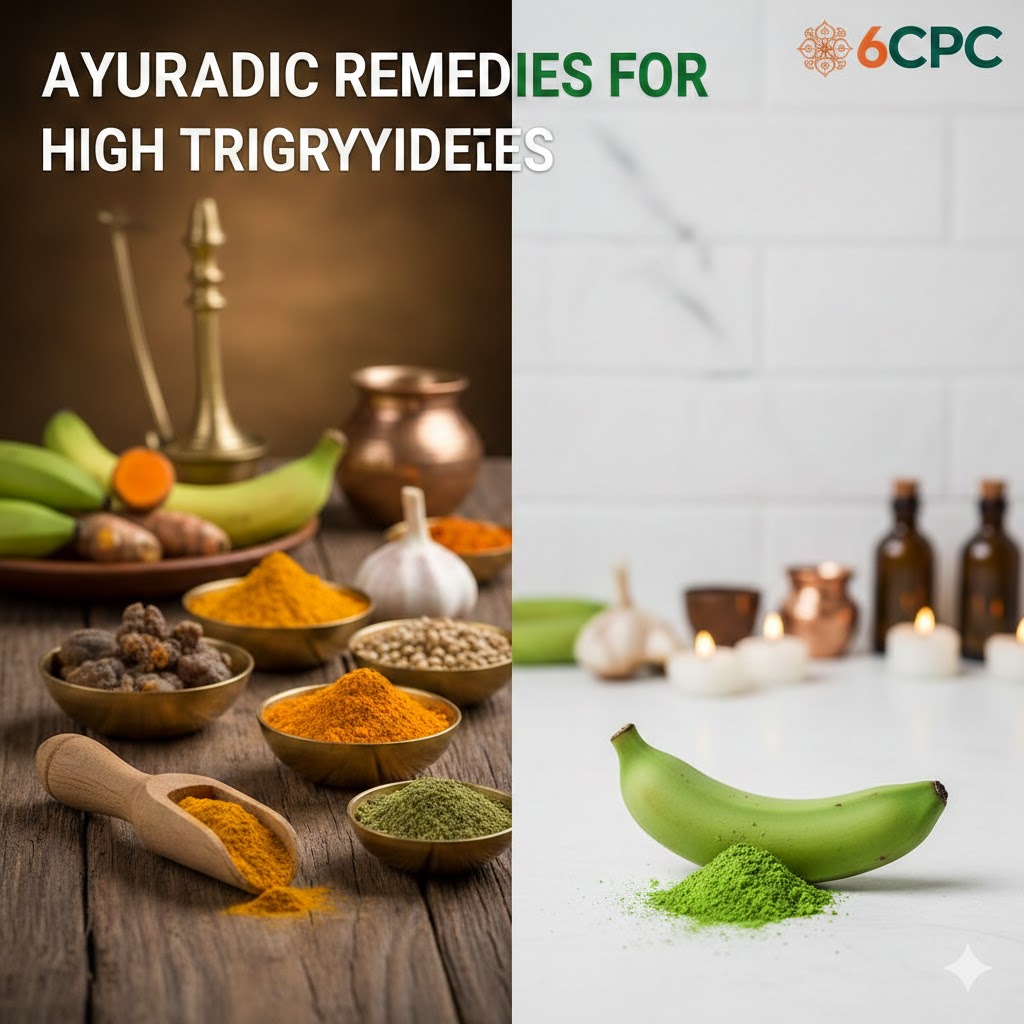
The mention of “Nano Banana” points to an exciting frontier where traditional wisdom might intersect with cutting-edge science. While not a traditional Ayurvedic remedy in its nano form, the raw banana (plantain) is revered in many cultures for its nutritional benefits. If bio-engineered or concentrated, “Nano Banana” extracts could potentially offer novel ways to deliver key nutrients or compounds that support metabolic health, perhaps by influencing gut microbiota or enhancing nutrient absorption—areas where Ayurveda has long emphasized the importance of digestion and gut health. This represents a hypothetical bridge between ancient understanding and future scientific advancements in nutrient delivery for metabolic control.
Conclusion: Empowering Your Journey to Lipid Balance
High triglycerides are a significant marker of metabolic dysfunction, but they are not an insurmountable challenge. By embracing the holistic principles of Ayurveda—rekindling your Agni, eliminating Ama, pacifying Kapha, and nourishing your body with appropriate foods and a balanced lifestyle—you can embark on a profound journey toward lasting metabolic health.
At 6CPC, we empower you with both the knowledge of modern science and the wisdom of ancient traditions, guiding you to Control your health, Purify your system, and Care for your well-being with confidence and clarity.