
Understanding triglycerides is crucial for heart health. High levels can lead to serious conditions, but lifestyle changes can help manage them effectively.
Triglycerides are a type of fat (lipid) in your blood that your body uses for energy, but when levels are high they significantly increase your risk of heart disease, stroke and pancreatitis. The good news is that triglycerides usually respond very well to lifestyle changes, with medicines added only if needed, so you do have a lot of control over this.
What triglycerides are ?
- Triglycerides are the main form of fat your body stores; extra calories (especially from carbohydrates and sugar) are converted to triglycerides and kept in fat cells.
- Between meals, hormones release triglycerides to provide energy, so you always have a baseline level in your blood.
If you consistently eat more calories than you burn, particularly refined carbs and sugary foods, the level in your blood rises (hypertriglyceridemia).
Why high triglycerides are a problem ?
- High triglycerides are linked to a higher risk of coronary artery disease, heart attack and stroke, especially when combined with low HDL (“good” cholesterol) or high LDL (“bad” cholesterol).
- Very high levels (often above 500 mg/dL) can inflame the pancreas (pancreatitis), which can be a medical emergency.
- High triglycerides also often travel with other conditions like obesity, insulin resistance, type 2 diabetes, fatty liver and metabolic syndrome.
Because of this, doctors treat high triglycerides as a marker that something in metabolism or lifestyle needs attention, even if you feel fine.
Common causes and risk factors
Typical contributors include:
- Regularly eating more calories than you burn, especially from sugar, refined carbohydrates (white rice, maida, sweets) and saturated fat.
- Being overweight or having excess belly fat.
- Lack of exercise or a largely sedentary routine.
- Excess alcohol (even “social” drinking can sharply raise triglycerides in some people).
- Poorly controlled diabetes / insulin resistance and some thyroid, liver or kidney diseases.
- Certain medicines (some beta‑blockers, diuretics, steroids, estrogen, HIV drugs, etc.).
- Genetics (familial hypertriglyceridemia or combined hyperlipidemia) where high levels run in families.
Your doctor will usually look at your full lipid profile, blood sugar, liver/thyroid tests, medicines and family history to see which of these apply in your case.
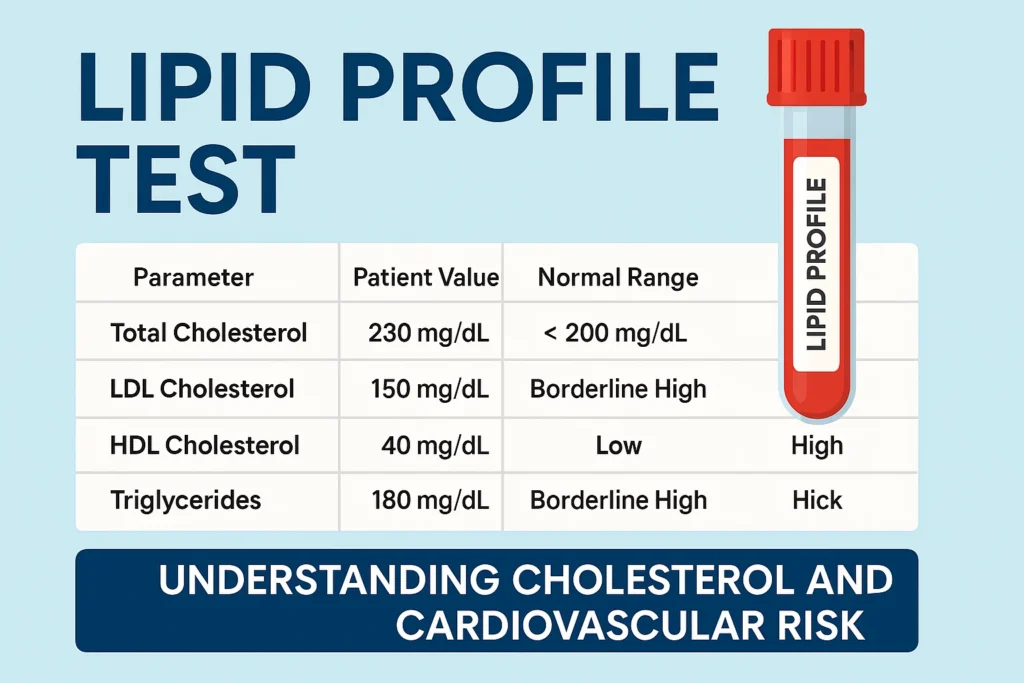
How levels are classified (approximate) ?
Ranges vary slightly by guideline, but broadly:
- Normal: less than about 150 mg/dL.
- Borderline high: 150–199 mg/dL.
- High: 200–499 mg/dL.
- Very high: 500 mg/dL and above (this is where pancreatitis risk becomes important).
Your exact number, plus your other risk factors (age, smoking, blood pressure, diabetes, family history), decides how aggressive treatment should be.
Lifestyle changes that reliably lower triglycerides
Major cardiology and lipid societies treat lifestyle measures as first‑line treatment for most people with high triglycerides.
Key evidence‑based changes:
- Adjust your diet
- Cut down sugar, sweets, sugary drinks, fruit juices and refined carbs (white bread, white rice, maida, bakery items).
- Prefer whole grains, vegetables, pulses, nuts and high‑fiber foods.
- Increase lean protein (dal, beans, curd, paneer in moderation, eggs, fish, chicken without skin) and healthy fats (nuts, seeds, small amounts of vegetable oils).
- Limit saturated and trans fats (fried food, ghee in excess, processed snacks, fast food).
- Reduce or stop alcohol
- Lose excess weight (even 5–10%)
- Exercise regularly
- Stop smoking (if you smoke)
Lifestyle changes often begin to show effect in 4–12 weeks, which is why repeat testing is usually done after a few months.
When medicines are used ?
Depending on how high your triglycerides are and your overall risk, your doctor may add medicines to lifestyle measures:
- Statins: primarily lower LDL cholesterol but also reduce triglycerides and protect against heart attack and stroke; often first choice if overall cardiovascular risk is high.
- Fibrates: specifically target triglycerides and can be used when levels are very high or when statins alone are not enough.
- Prescription omega‑3 fatty acids (EPA/DHA): at higher doses can lower triglycerides, though data on event reduction is mixed and product‑specific.
For very high levels (e.g., ≥500 mg/dL or especially ≥1,000 mg/dL), doctors may prescribe a very low‑fat diet plus medication quickly to reduce pancreatitis risk, sometimes even in hospital if symptoms suggest pancreatitis.
What you should do next (practical steps) ?
Since you already have a report showing high triglycerides:
- Discuss the report with your doctor (in‑person or teleconsult).
- Start lifestyle changes immediately
- Follow the prescribed medicines exactly if given
- Plan a follow‑up lipid test
Important disclaimer
This information explains triglycerides and general management but does not replace a personal consultation, physical examination, or individualized advice from your own doctor. Any chest pain, sudden severe abdominal pain (possible pancreatitis), shortness of breath, or other acute symptoms should be treated as urgent and evaluated immediately in an emergency setting.
Related Articles