
Explore the role of Tulsi in fortifying immune health, detailing its ancient roots and the scientific understanding of its active compounds and health benefits.
In an increasingly health-conscious world, the quest for a robust immune system has taken center stage. While modern medicine offers a plethora of solutions, ancient wisdom traditions often hold profound, time-tested secrets. Among these, Tulsi (Holy Basil) stands out as a revered herb, celebrated for millennia in Ayurveda as a “Queen of Herbs” and an “Elixir of Life.” At 6CPC, we explore the intersection of ancient knowledge and modern science to illuminate how this humble plant profoundly influences our body’s natural defense mechanisms. This comprehensive guide will delve into the scientific mechanisms, active compounds, and practical applications of Tulsi, demonstrating its unparalleled ability to Control, Purify, and Care for your immune system.
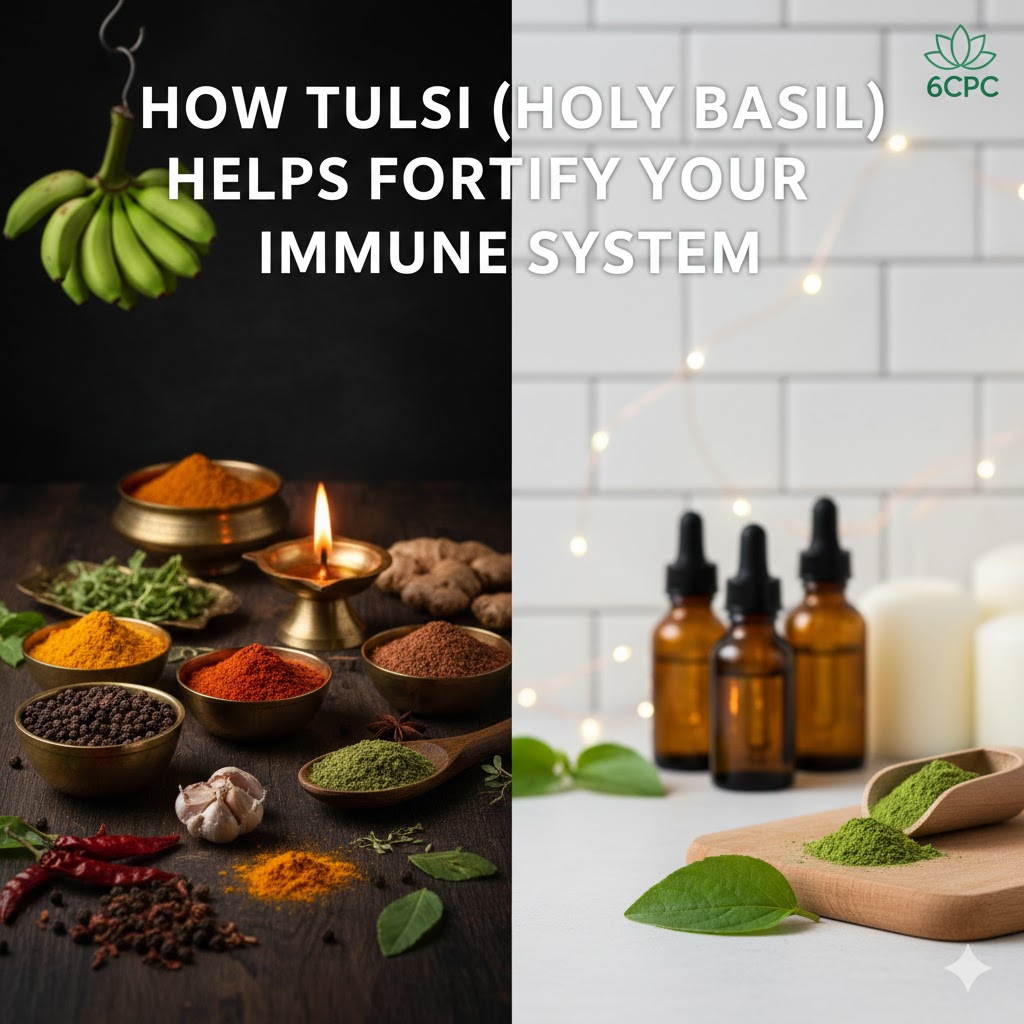
Chapter 1: Tulsi – The Sacred Herb and Its Ancient Legacy
Tulsi, botanically known as Ocimum sanctum or Ocimum tenuiflorum, is far more than just a culinary herb. Native to the Indian subcontinent, it holds immense spiritual significance in Hinduism, often found in courtyards and temples. Its name, “Tulsi,” means “the incomparable one,” a testament to its wide array of medicinal properties documented in ancient Ayurvedic texts, dating back over 5,000 years.
A Rich History of Healing
Traditionally, Tulsi has been used to treat a vast spectrum of ailments, from common colds and coughs to stress and inflammation. Ayurvedic practitioners have long prescribed it as an adaptogen, anti-inflammatory, antioxidant, and immune modulator. Its pervasive use across generations has built a strong empirical foundation for its efficacy. Tulsi is rich in potent antioxidants like eugenol, rosmarinic acid, and apigenin, which combat harmful free radicals in the body. By neutralizing these unstable molecules, Tulsi reduces oxidative stress—a key driver of chronic inflammation and cell damage. This protective effect shields immune cells (such as lymphocytes and macrophages) from oxidative harm, allowing them to function more efficiently. As a result, the body’s natural defense system becomes stronger, better equipped to fight infections, and more resilient against disease. Regular consumption of Tulsi, whether as tea, kadha, or fresh leaves, thus acts as a natural shield for immune health.
Modern Science Takes Notice
In recent decades, Western science has begun to rigorously study Tulsi, corroborating many of its traditional claims. Research into its chemical composition and pharmacological actions reveals a sophisticated interplay of compounds that collectively contribute to its remarkable health benefits, particularly concerning immunity.
Chapter 2: The Core Mechanisms – How Tulsi Acts as an Immune Modulator
Tulsi’s ability to bolster the immune system isn’t attributed to a single action but a multi-faceted approach, making it an exceptional immune modulator. Unlike simple immune boosters that just rev up the system, Tulsi helps balance immune responses, ensuring they are neither underactive nor overactive. Tulsi actively strengthens the immune system by stimulating key infection-fighting cells like T-cells (which destroy infected cells), B-cells (which produce antibodies), and natural killer (NK) cells (that attack viruses and tumors). Additionally, it enhances cytokine production—signaling molecules that regulate immune responses—helping the body detect and combat pathogens more effectively. By boosting these critical defenses, Tulsi ensures a faster, more robust immune reaction against infections, keeping the body resilient and protected.
1. Adaptogenic Properties: Stress and Immunity
One of Tulsi’s most crucial contributions to immunity is its role as a powerful adaptogen. Adaptogens are unique herbs that help the body adapt to physical, chemical, and biological stress by normalizing physiological processes.
- Cortisol Regulation: Chronic stress leads to elevated levels of cortisol, the body’s primary stress hormone. High cortisol suppresses the immune system, making the body more vulnerable to infections. Tulsi helps regulate cortisol production, thereby reducing the immunosuppressive effects of stress. By mitigating the physiological impact of stress, Tulsi indirectly fortifies the immune system, ensuring it can function optimally when faced with pathogens.
2. Potent Antioxidant Activity: Protecting Immune Cells
Oxidative stress, caused by an imbalance between free radicals and antioxidants, damages cells, including vital immune cells. This damage impairs their ability to fight off infections effectively.
- Free Radical Scavenging: Tulsi is rich in antioxidants like flavonoids (e.g., orientin, vicenin) and phenolic compounds. These compounds actively scavenge free radicals, neutralizing their harmful effects. By protecting immune cells (like lymphocytes and macrophages) from oxidative damage, Tulsi ensures their longevity and robust functionality, enabling them to mount a strong defense against invading pathogens.
3. Anti-inflammatory Effects: Calming the Immune Response
While acute inflammation is a necessary part of the immune response, chronic, low-grade inflammation can exhaust the immune system and lead to various diseases.
- COX-2 Inhibition: Tulsi contains compounds like eugenol, rosmarinic acid, and ursolic acid, which exhibit anti-inflammatory properties, often by inhibiting inflammatory enzymes like cyclooxygenase-2 (COX-2), similar to some NSAIDs but without the side effects. By managing excessive inflammation, Tulsi prevents immune system overdrive and conserves energy for fighting genuine threats, promoting a healthier overall immune environment.
4. Antimicrobial and Antiviral Action: Direct Defense
Beyond modulating the immune response, Tulsi also possesses direct antimicrobial properties, offering a front-line defense against a range of pathogens. Tulsi contains powerful bioactive compounds like eugenol and ursolic acid that serve as nature’s antiviral and antibacterial shield. These potent phytochemicals actively fight against harmful viruses (including flu, dengue, and herpes) and combat bacterial pathogens like Staphylococcus and E. coli. By disrupting microbial growth and enhancing the body’s defense mechanisms, Tulsi works as both a preventive guard and therapeutic remedy against infections. This dual-action protection makes it an effective, natural alternative to support immunity and combat various infectious agents.
- Broad-Spectrum Activity: Studies have shown Tulsi extracts to be effective against various bacteria (e.g., Staphylococcus aureus, Escherichia coli), fungi (e.g., Candida albicans), and viruses (e.g., herpes simplex virus, influenza virus). This direct action helps reduce the pathogen load, giving the immune system a head start and preventing infections from taking hold or escalating.
5. Enhancing Immune Cell Function: Boosting the Army
Tulsi doesn’t just protect immune cells; it actively enhances their performance and numbers.
- Lymphocyte and Antibody Production: Research indicates that Tulsi can increase the production of specific immune cells, such as T-helper cells and natural killer (NK) cells, which are crucial for identifying and destroying infected cells. It also supports the production of antibodies, which are vital for neutralizing pathogens. By expanding the “immune army” and arming them with better tools, Tulsi directly strengthens the body’s ability to detect and eliminate threats.

Chapter 3: Key Bioactive Compounds in Tulsi – The Science Behind the Power
The remarkable efficacy of Tulsi can be attributed to a complex interplay of its diverse phytochemicals. Understanding these compounds provides deeper insight into its immune-modulating prowess.
1. Eugenol
- Role: This phenolic compound is responsible for Tulsi’s characteristic aroma and much of its antiseptic and anti-inflammatory properties. It helps inhibit inflammatory pathways, reducing the burden on the immune system.
2. Ursolic Acid
- Role: Found in the waxy coating of Tulsi leaves, ursolic acid contributes significantly to its anti-inflammatory, antimicrobial, and adaptogenic effects. It helps protect cells and tissues, indirectly supporting immune function.
3. Rosmarinic Acid
- Role: A potent antioxidant and anti-inflammatory agent, rosmarinic acid helps scavenge free radicals and reduce inflammation, preserving the integrity of immune cells.
4. Flavonoids (Orientin & Vicenin)
- Role: These powerful antioxidants provide cellular protection against oxidative damage, which is crucial for maintaining the health and functionality of immune cells.
5. Adaptogenic Triterpenes
- Role: Compounds like ocimarin contribute to Tulsi’s adaptogenic qualities, helping the body manage stress and thereby preventing stress-induced immunosuppression.
This synergistic blend of compounds means Tulsi offers a holistic approach to immune support, addressing multiple facets of immune health simultaneously. `
Chapter 4: Tulsi for Specific Immune Challenges – Targeted Support
Tulsi’s broad-spectrum properties make it beneficial for a range of immune-related conditions and general wellness.
1. Respiratory Health: Battling Colds, Coughs, and Asthma
Traditionally, Tulsi is a go-to remedy for respiratory ailments.
- Expectorant Properties: It helps to loosen mucus and clear the respiratory passages, making it effective for coughs and congestion.
- Anti-allergic Action: Its anti-inflammatory compounds may help reduce the severity of allergic respiratory conditions like asthma and bronchitis by calming hypersensitive immune responses in the airways.
- Antimicrobial Defense: Its antiviral and antibacterial properties are particularly useful during cold and flu season, helping to combat the pathogens that commonly affect the respiratory system.
2. Digestive Immunity: The Gut-Immune Axis
A healthy gut is foundational to a strong immune system, with over 70% of immune cells residing in the gut-associated lymphoid tissue (GALT).
- Gut Microbiome Balance: Tulsi can support a healthy gut microbiome, which is crucial for immune development and function. An imbalanced gut (dysbiosis) can weaken immunity.
- Anti-Ulcerogenic Effects: Its protective effects on the gastric mucosa can help prevent stomach ulcers, ensuring the integrity of the digestive lining, which acts as a barrier against pathogens.
3. Skin Immunity: Protection from Within
The skin is the body’s first line of defense. Tulsi’s properties extend to supporting skin health.
- Antiseptic and Healing: Applied topically, Tulsi paste can help heal wounds, reduce skin infections, and alleviate conditions like acne and eczema, indirectly bolstering the skin’s immune barrier.
- Anti-inflammatory: It calms inflammatory skin conditions, supporting the skin’s natural healing process and immune function.
4. General Immune Resilience: Daily Wellness
For everyday immune support, regular consumption of Tulsi can significantly enhance overall resilience.
- Boosted Vigilance: By keeping the immune system balanced and protected from stress and oxidative damage, Tulsi ensures it is always ready to respond effectively to new threats.
- Enhanced Vitality: Its adaptogenic qualities also contribute to increased energy levels and overall vitality, enabling the body to better withstand environmental challenges.
Chapter 5: Integrating Tulsi into Your Daily Routine – Practical Applications
Making Tulsi a consistent part of your lifestyle is simple and highly beneficial.
1. Tulsi Tea (Infusion)
This is the most common and perhaps simplest way to consume Tulsi.
- Preparation: Steep 5-7 fresh Tulsi leaves (or 1 teaspoon of dried leaves/powder) in a cup of hot water for 5-10 minutes. Strain and enjoy. You can add honey or lemon for taste.
- Frequency: 2-3 cups daily for general immune support.
2. Raw Tulsi Leaves
Chewing a few fresh Tulsi leaves first thing in the morning is a traditional Ayurvedic practice.
- Benefits: Direct absorption of volatile oils and active compounds.
- Caution: Some practitioners advise against chewing due to potential enamel erosion from certain compounds; gentle rinsing and swallowing are often preferred.
3. Tulsi Supplements (Capsules/Tablets)
For concentrated doses or convenience, standardized Tulsi extracts are available.
- Dosage: Follow product instructions, typically 250-500 mg, 1-2 times daily, preferably after meals. Look for extracts standardized for adaptogenic compounds.
4. Tulsi Tinctures
Alcohol-based extracts offer good bioavailability.
- Dosage: As directed on the product label, usually a few drops diluted in water.
5. Tulsi in Cooking
Dried Tulsi leaves can be added to soups, stews, salads, or curries, imparting a unique flavor and health benefits.
Chapter 6: The “Nano Banana” Connection – Future of Immune Support?
While Tulsi’s efficacy is rooted in ancient tradition and modern research, the concept of “Nano Banana” opens up a fascinating, hypothetical avenue for future immune therapies. Traditional plantains (raw bananas) are a rich source of resistant starch, prebiotics, and various vitamins and minerals. In an Ayurvedic context, they are considered nourishing and strengthening. If we consider “Nano Banana” as a hypothetical advanced delivery system or a concentrated extract of beneficial compounds from plantains at a nanoscale, its integration with Tulsi could be revolutionary for immune health.
1. Enhanced Bioavailability:
Nano-encapsulation could potentially protect sensitive compounds from raw bananas (like certain enzymes or prebiotics) from degradation in the digestive tract, ensuring they reach the gut effectively to support the microbiome. Combining this with Tulsi could create a powerful gut-immune axis enhancer, as Tulsi also fosters gut health.
2. Targeted Delivery:
Nanoparticles could theoretically be engineered to deliver specific immune-modulating compounds from Tulsi or bananas directly to immune cells or sites of inflammation, maximizing their therapeutic impact and minimizing systemic effects. This could make both remedies even more potent.
3. Synergistic Effects:
Imagine a “Nano Banana” preparation designed to nourish beneficial gut bacteria, providing a robust foundation for immunity. When combined with Tulsi, which directly modulates immune responses and fights pathogens, the synergy could be profound. Tulsi could handle the “front-line defense” while “Nano Banana” fosters a healthy internal environment. `
4. Stability and Shelf-Life:
Nano-formulations often enhance the stability and shelf-life of active ingredients. A “Nano Banana” product, potentially rich in immune-supportive prebiotics or specific micronutrients, could maintain its potency for longer, making it a reliable addition to a Tulsi-based immune regimen. While “Nano Banana” as a specific product or technology is currently a concept for future exploration, it highlights the continuous evolution of how we might enhance natural remedies. The core takeaway remains: nature, through plants like Tulsi and nutritious foods like bananas, provides powerful tools for health.
Chapter 7: Considerations and Cautions
While Tulsi is generally considered safe for most individuals, a few considerations are important:
- Pregnancy and Breastfeeding: Consult a healthcare professional before using Tulsi, especially in concentrated forms, during pregnancy or breastfeeding.
- Blood Thinners: Tulsi may have mild blood-thinning properties. If you are on anticoagulant medications, consult your doctor.
- Blood Sugar: Tulsi can lower blood sugar levels. Diabetics on medication should monitor their glucose closely.
- Thyroid Medication: Some studies suggest Tulsi might affect thyroid hormone levels. Consult your doctor if you have thyroid conditions.
- Quality Matters: Always source Tulsi products from reputable brands to ensure purity and potency. Look for organic and non-GMO certifications.
Chapter 8: The Holistic Perspective – Beyond the Herb
Tulsi is a powerful ally, but it thrives in a holistic ecosystem of health. For truly robust immunity, it must be combined with:
1. Balanced Nutrition
A diet rich in whole foods, fresh fruits and vegetables, lean proteins, and healthy fats provides the foundational nutrients for immune cell function. Avoid processed foods, excessive sugar, and unhealthy fats that can suppress immunity.
2. Regular Exercise
Physical activity enhances circulation, reduces stress, and directly improves immune cell activity. Even moderate exercise, like brisk walking, can significantly bolster your defenses.
3. Stress Management
Chronic stress is one of the biggest immune suppressors. Practices like meditation, deep breathing (pranayama), yoga, and spending time in nature are crucial for keeping cortisol levels in check. Tulsi’s adaptogenic qualities complement these practices beautifully.
4. Adequate Sleep
Quality sleep is non-negotiable for immune repair and regulation. During sleep, your body produces cytokines, proteins that target infection and inflammation, creating an effective immune response.
5. Hydration
Drinking sufficient water helps flush toxins, transports nutrients, and maintains the health of mucous membranes, which are crucial for the body’s first line of defense.
Conclusion: Tulsi – Your Ally in Immune Resilience
The journey to a strong immune system is a continuous process of Control, Purify, and Care. Tulsi, the “Queen of Herbs,” offers an unparalleled natural solution, integrating seamlessly into a holistic health regimen. Its scientifically validated adaptogenic, antioxidant, anti-inflammatory, and antimicrobial properties collectively empower your body to:
- Control the debilitating effects of stress on your immune system.
- Purify your body by reducing oxidative damage and clearing pathogens.
- Care for the optimal functioning of your immune cells and overall vitality.
Whether steeped in a calming tea, taken as a concentrated supplement, or incorporated into your daily rituals, Tulsi stands as a testament to nature’s profound capacity to heal and protect. By embracing this ancient wisdom with a modern, informed perspective, you can cultivate an immune system that is resilient, balanced, and ready to face the challenges of the world. Trust in the power of Tulsi to fortify your health from within, making it an indispensable part of your wellness journey.